Vendor-agnostic controls for the Mid-South
Controls that serve the building, not the brand
We design, commission, and connect networked lighting controls from any manufacturer, then keep them earning their keep. From our office in Tupelo, we work across Mississippi, Memphis, and North Alabama.
Luminaire-level control, simulated: fixtures follow the occupant, harvest daylight at the windows, and switch off in empty rooms.
Four pillars
Sixteen services, organized the way a controls project actually runs. Most clients start in one pillar and grow into the others.
Assess & Design
Baseline assessments, vendor-agnostic controls design, energy code compliance, and daylight and human-centric design. Decide what the building needs before anyone orders hardware.
Deploy & Commission
Wireless retrofits and luminaire-level controls, multi-brand commissioning, legacy system rescue, and PoE lighting. Get the system into the ceiling and prove it does what the drawings promised.
Connect & Integrate
Lighting-to-BMS integration, IoT hardware, occupancy analytics, and building network security. Put the data your lighting already collects to work without opening a hole in the network.
Operate & Finance
Energy analytics and M&V on Lytbit Ledger, managed support plans, incentive applications, and lighting-as-a-service. Keep the savings you paid for, and be able to prove them.
01 · Assess & Design
02 · Deploy & Commission
03 · Connect & Integrate
04 · Operate & Finance
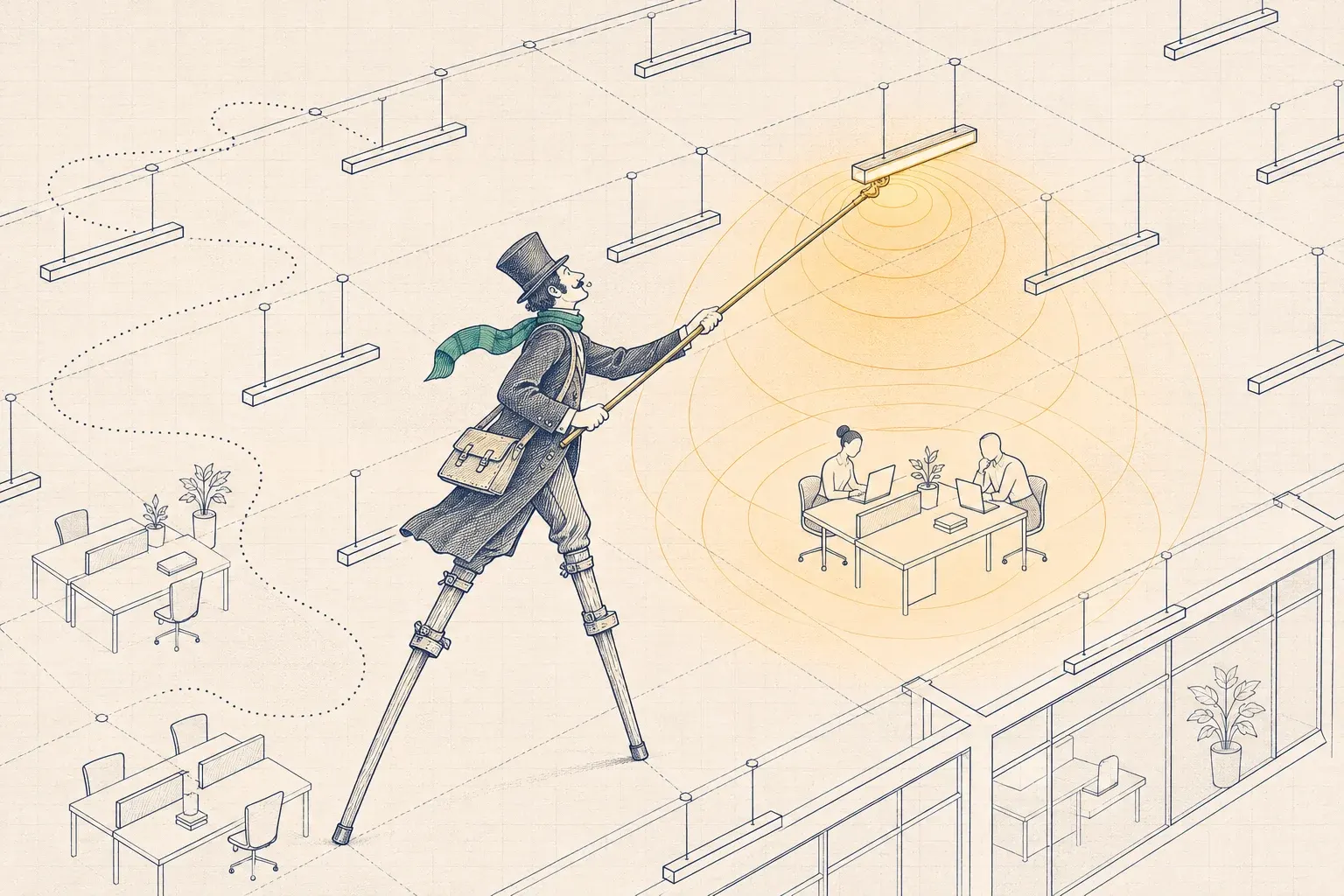
The problem with brand-locked controls
Every major manufacturer makes capable lighting controls. The trouble starts when the company that sells the hardware is also the only one that can program it, test it, and support it.
A rep commissions the lines it carries and stops at the edge of that catalog. The warehouse retrofit runs on one platform, the office renovation on another, and the parking lot on a time clock. Nobody tests how the whole building behaves. The configuration lives on a laptop that left with the technician. And when a platform stops being sold, the owner is usually the last to find out.
We don't represent a product line, so we can be blunt about all of them. We test combinations on our own bench, write the sequences down, commission whatever is in the ceiling, and hand you the configuration and the data. If a system needs replacing, we'll say so. If it only needs re-commissioning, we'll say that too.
How we work, in six steps
The same method for a single clinic or a regional portfolio. You can join at any step; we'll ask for whatever the earlier steps would have produced.
Survey
We walk the site, inventory fixtures and circuits, interview the people who use and run the space, and read your utility bills.
Bench
We wire the proposed devices together in the Lytbit Lab and run the sequences before anything goes in a ceiling.
Design
Zoning, sequences of operation, specifications, and a network design your IT team can review and approve.
Oversee
Submittal review, contractor coordination, and site visits, so what gets installed is what was designed.
Commission
Functional testing of every sequence, high-end trim with a calibrated meter, and a configuration report you keep.
Operate
Monitoring, seasonal tuning, measurement and verification, and support, all recorded in Lytbit Ledger.
Built for the buildings of the Mid-South
Distribution centers along the I-22 corridor, plants, clinics, schools, branch offices and city lots. Each one has its own control sequence.

Manufacturing
Shift-aware high-bay zoning, task tuning, and safety lighting for plants, with occupancy data handed to the HVAC system.
Read more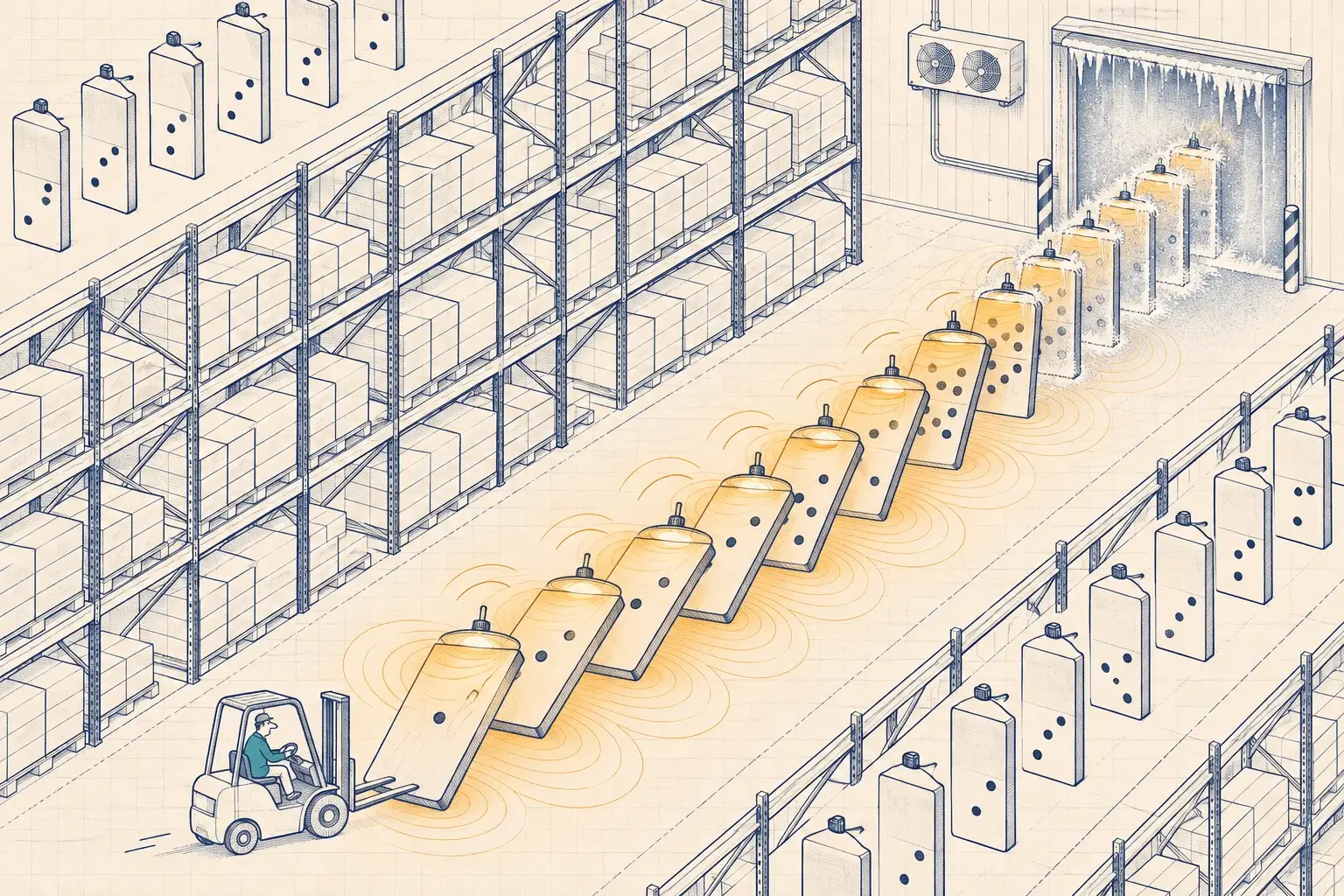
Warehousing
Aisle-by-aisle high-bay sensing, forklift-aware sequences, and cold-rated devices, packaged for networked-controls incentives.
Read more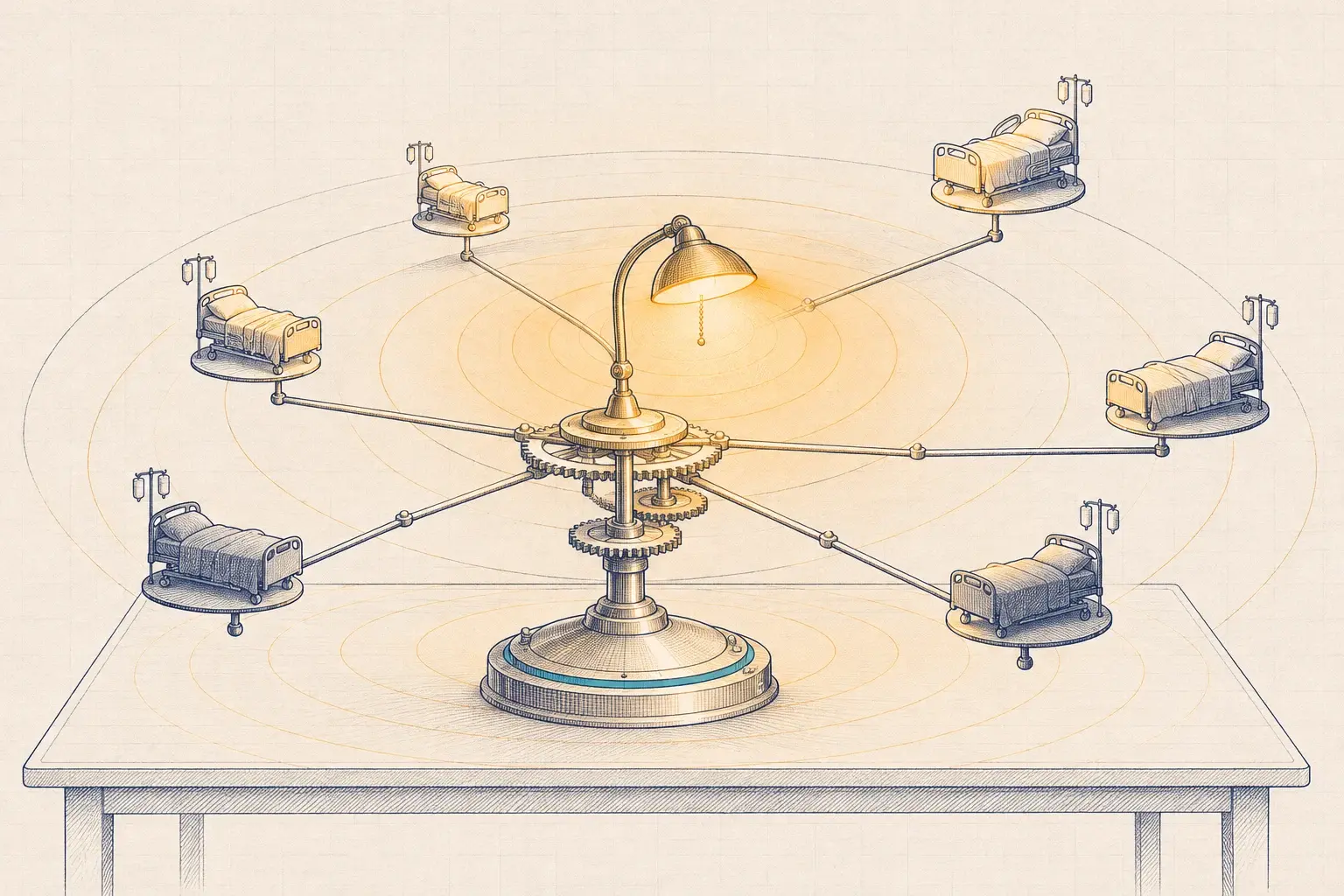
Healthcare
Controls for clinics and outpatient care that serve staff and patients on different clocks, coordinate with life safety, and report over BACnet.
Read more
Education
Classroom, gym, and campus controls for K-12 and higher education, with summer schedules, re-commissioning, and district-wide standards.
Read more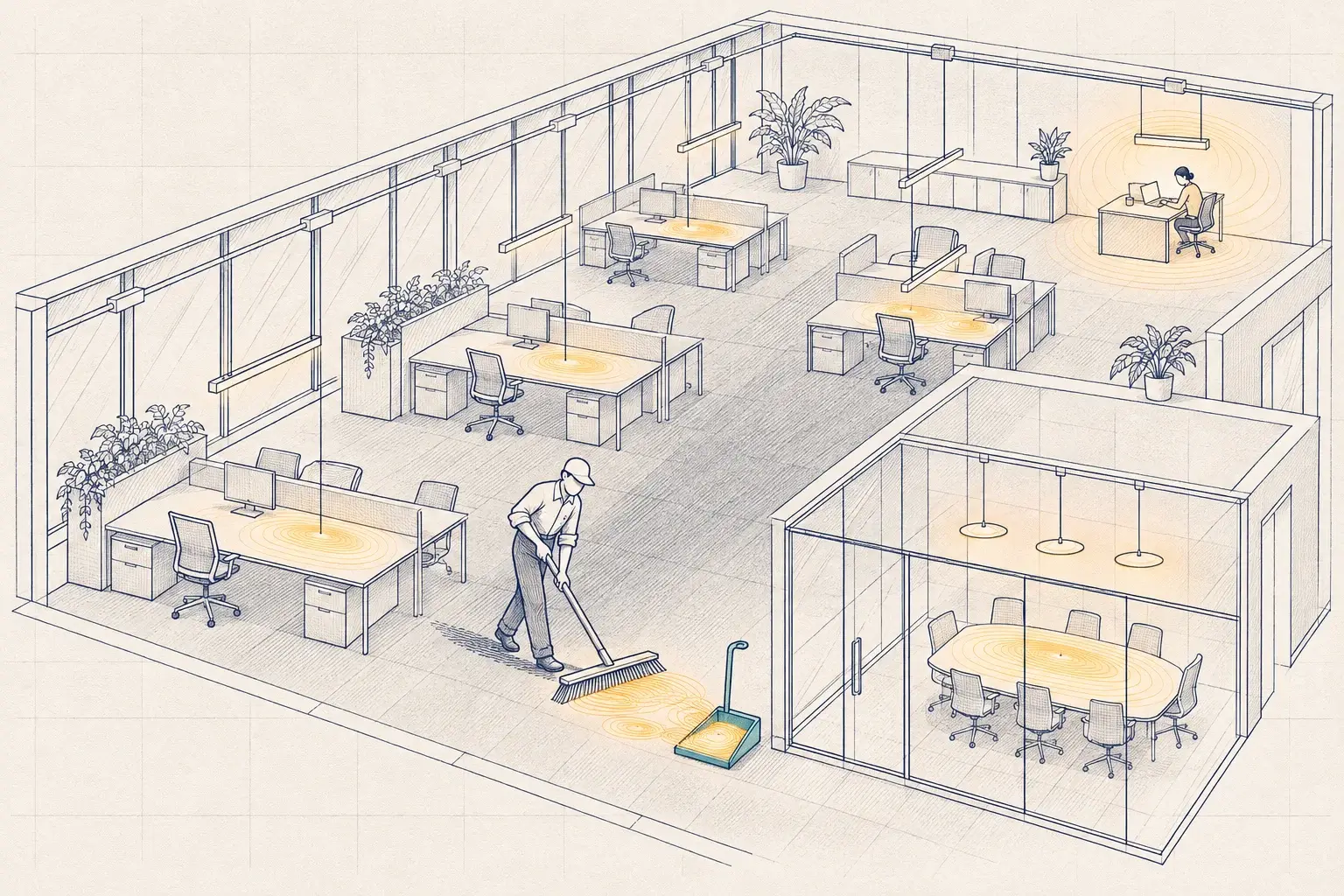
Offices & banking
Daylight, conference room, and after-hours controls for offices and branch networks, with occupancy data you can use in real estate decisions.
Read more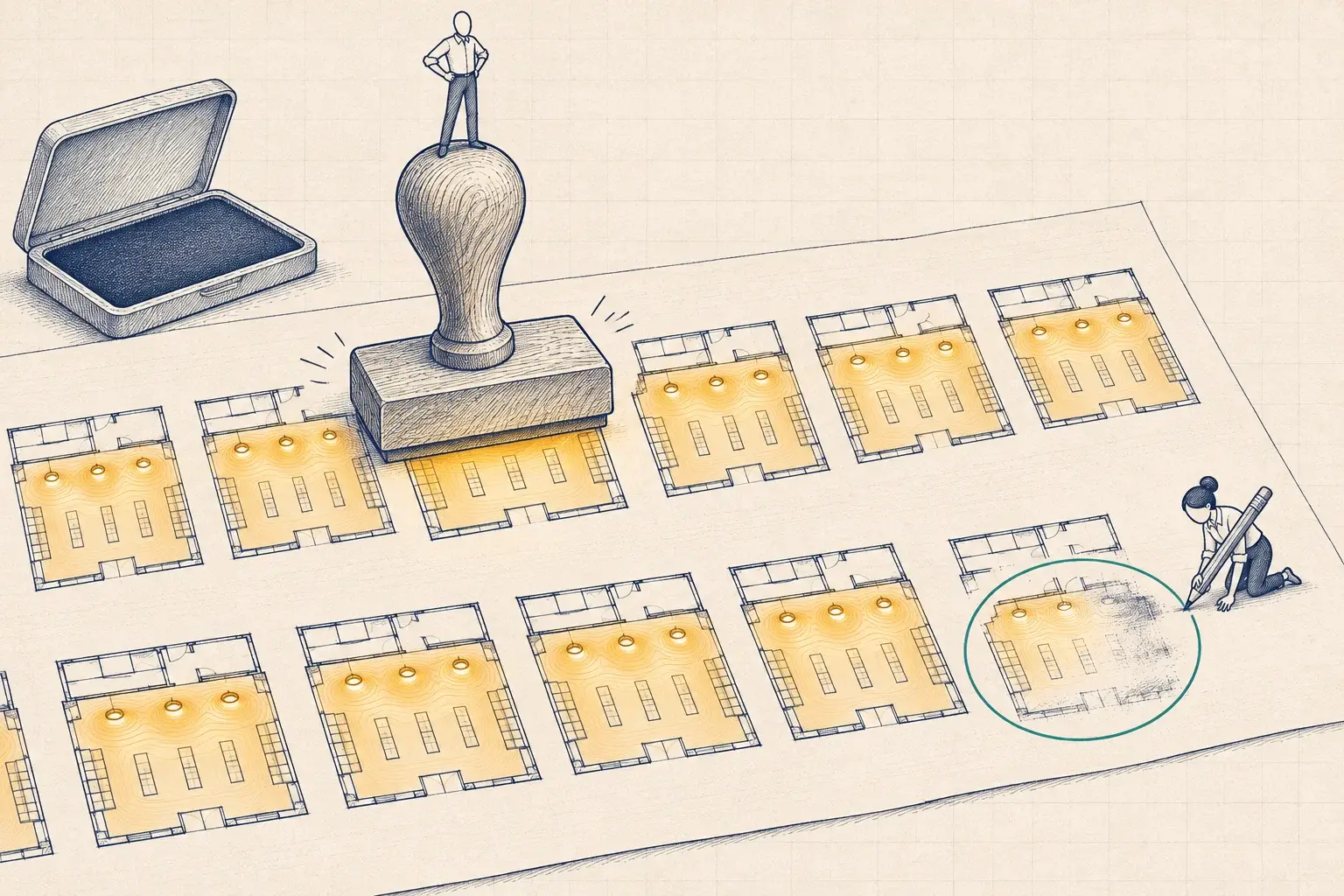
Retail
Store-hours sequences, multi-site standards, and central monitoring for chains, with exterior signage and parking on the same calendar.
Read more
Municipal & exterior
Dusk-to-dawn dimming, motion response, and light-trespass control for parking lots, garages, streetscapes, and city buildings.
Read more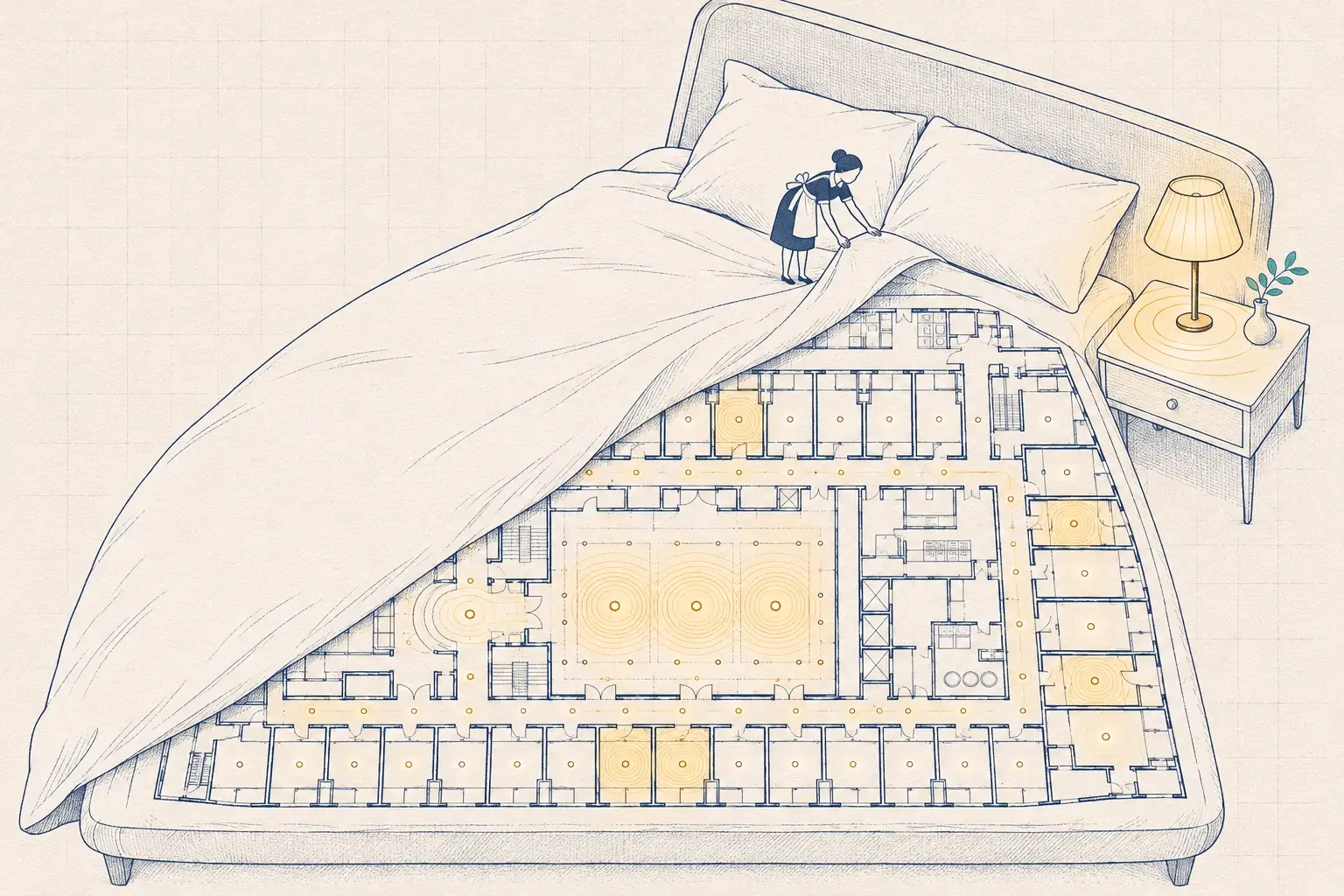
Hospitality
Guest room, corridor, ballroom, and back-of-house controls that save energy where guests don't notice and never turn lights off on them.
Read moreLytbit Ledger
Every fixture keeps a ledger
Ledger reads energy, occupancy and faults from the controls you already own, then turns them into M&V reports, rebate documentation and alerts a facility manager will actually read.
- Meter: zone-level energy and baselines you can defend
- Watch: fault detection before occupants notice
- Space: anonymous occupancy and utilization
- Flex: demand response through OpenADR
| Zone | Hours on | kWh | vs. base | 7-day |
|---|---|---|---|---|
| Open office 101 | 41.5 | 96.2 | -64% | |
| Warehouse aisles A–F | 88.0 | 412.7 | -71% | |
| Conference 102 | 12.2 | 9.8 | -78% | |
| Dock doors 1–12 | 63.4 | 151.9 | -52% | |
| Parking lot north | 84.0 | 120.4 | -46% |
Illustrative data
After hours
What does your building do at 2 a.m.?
Drive past any industrial park after midnight and count the lit, empty buildings. The after-hours sweep that quietly stopped after a schedule change. The aisle sensor someone taped over in July. The parking lot photocell that has burned through every afternoon since spring. None of it shows up until the bill does. Lytbit Ledger watches the hours when nobody is there, flags the zones lighting rooms for no one, and puts a kWh figure next to each.
How we'd approach your building
Representative scenarios built from the building types we see most. They are not client case studies; we publish them to show our reasoning, numbers included.
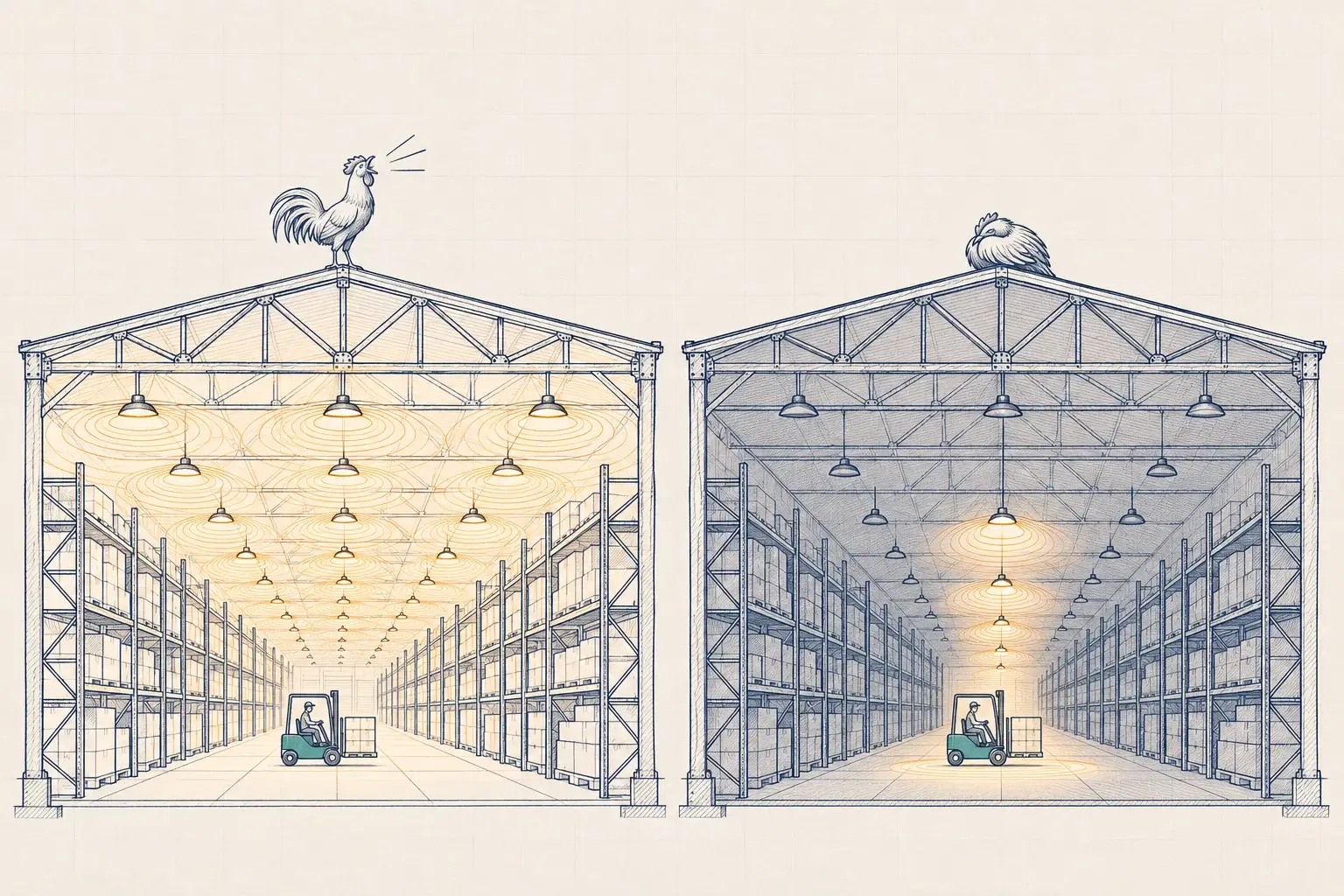
410,000 sq ft distribution center with fixture-level controls
LLLC high-bays, aisle-by-aisle zoning and dock-door logic for a 410,000 sq ft distribution center, sequenced around TVA EnergyRight pre-approval.
Read the scenario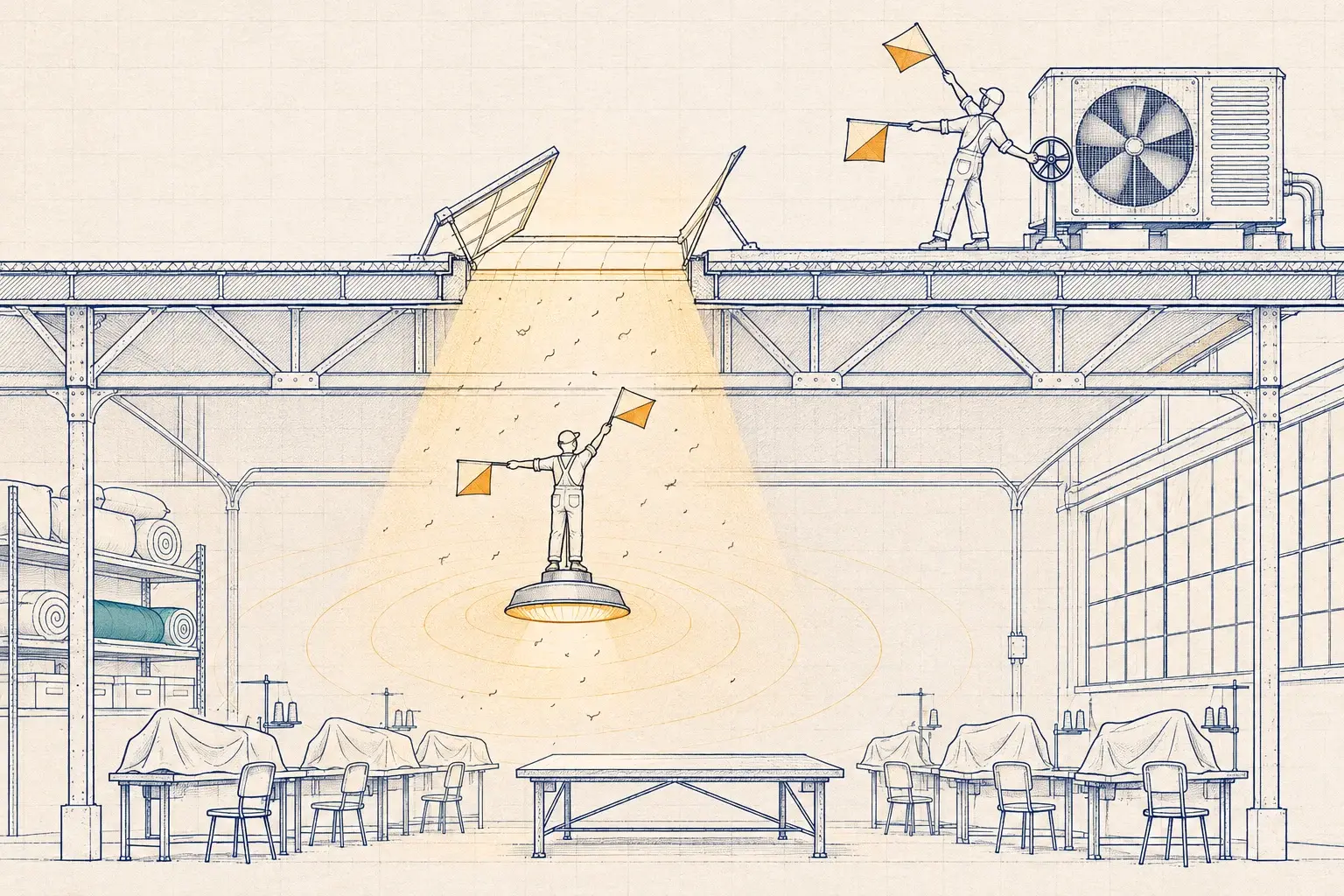
Upholstery plant: shift-aware zoning and an HVAC handshake
Shift modes instead of panel switching, task-tuned cutting and sewing areas, sealed fixtures for dust, and a BACnet occupancy handshake with the rooftop units.
Read the scenario
Outpatient clinic: tunable white and nurse-station scenes on BACnet
Tunable-white corridors and nurse stations, fixed high-CRI exam lighting, after-hours modes, and exam-room occupancy shared with the BMS over BACnet.
Read the scenarioThe shape of the company
Structural facts, not performance claims. Savings figures elsewhere on this site are either attributed to their source or marked as illustrative.
From the blog
Practical notes on protocols, codes, incentives and commissioning, written by the people who do the work.

LED-to-LED Retrofits: When Adding Controls to Existing LEDs Pays Off
Your fixtures are already LED. How to decide whether to add controls, replace with LLLC fixtures, or wait, based on drivers, hours, condition and incentives.
Read more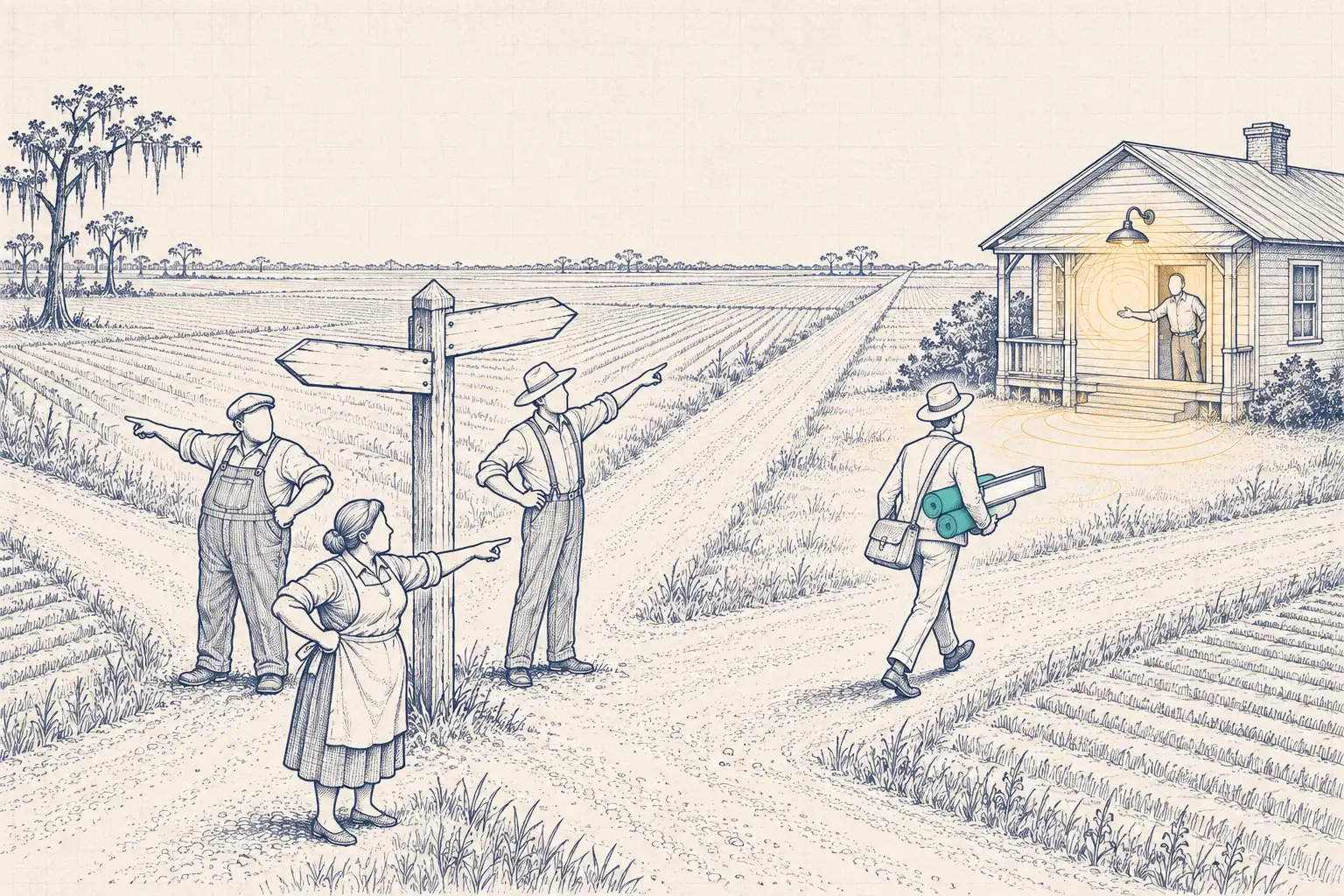
Mississippi's Commercial Energy Code and Your Lighting Controls
Sources disagree on Mississippi's statewide commercial energy code. How to confirm what applies to your project and design lighting controls that pass anyway.
Read more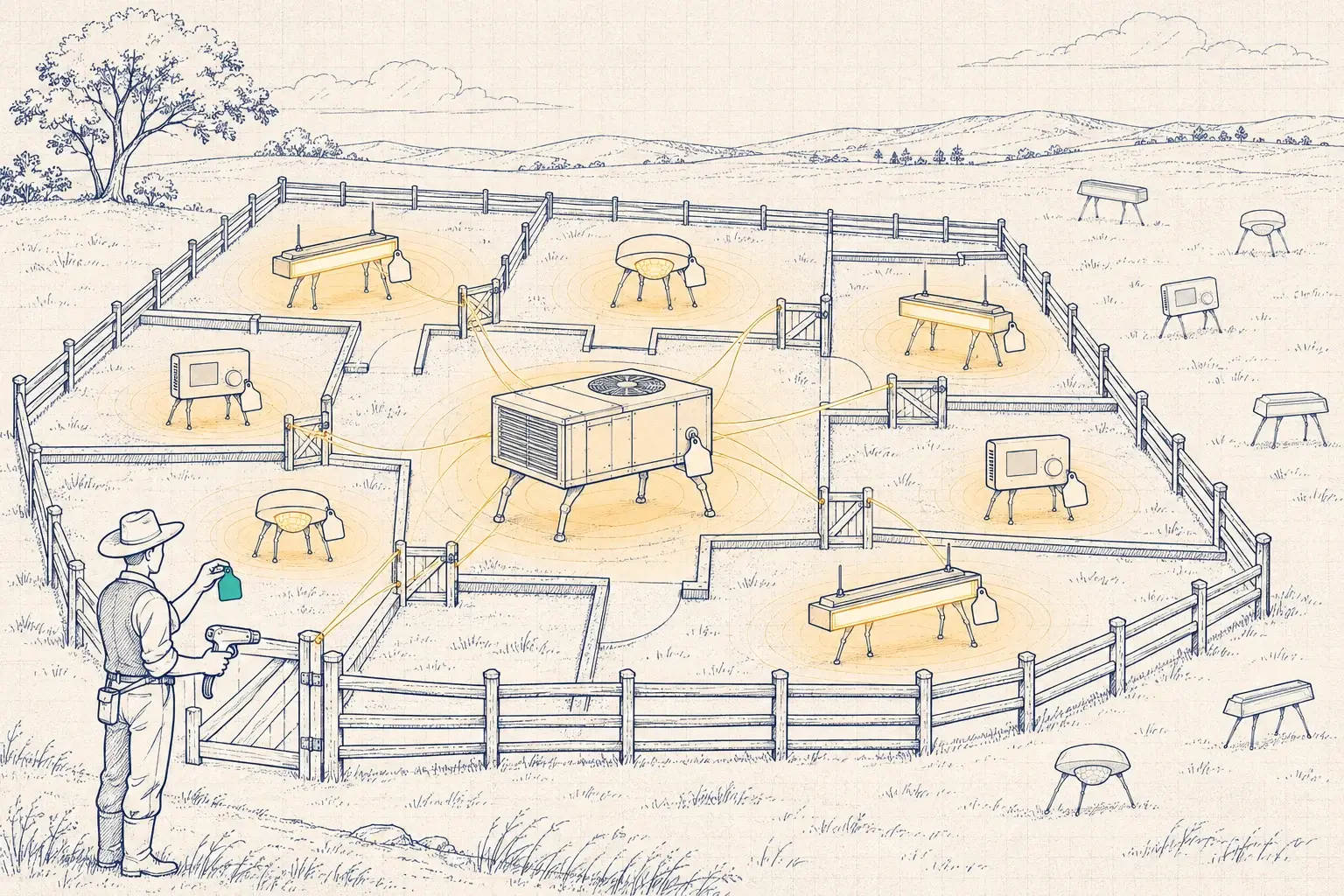
Brick, Haystack and ASHRAE 223P: Why Tagging Decides Whether Your Data Is Usable
Brick Schema, Project Haystack and ASHRAE 223P compared: what each describes, how they fit together, and how to specify tagging for lighting and IoT data.
Read moreWhere to start, depending on your job
Owners and facility managers usually want to know what’s wrong and what it would take to fix. Start with our services by pillar, then find a sample project that looks like your building. The scenarios are representative composites, labeled as such, with the reasoning shown.
Engineers and IT leads want to know how the pieces fit and what touches the network. The Protocol Explorer, our integrations directory, and the security and data page answer most of that. The Lytbit Lab answers the rest.
Finance teams want a range, an incentive path, and a way to pay. Try the Savings Estimator, then read about incentive management and lighting-as-a-service.
Why controls, and not just LEDs
Most commercial buildings in our region already have LEDs, or soon will. The next large saving comes from turning them down and off when nobody needs them. DLC estimates average savings of about 49% for networked lighting controls and 63% for networked controls with luminaire-level lighting control. Your building will differ, which is why we measure it first and quote savings as a range with the assumptions shown.
FAQ
First questions
Still unsure? Write to sales@lytbit.com and a person will answer within one business day.
Do you sell lighting fixtures or controls hardware?
We're not a manufacturer and we don't represent a product line. On turnkey projects we procure the hardware we specified and show it as its own line items. On design and commissioning engagements, you or your contractor buy it. Either way, the brand is chosen from bench results and your building, not from a distribution agreement.
Which brands do you work with?
Any system we can get documentation and tools for, across DALI-2, 0-10V, Bluetooth Mesh NLC, Zigbee, PoE, and BACnet-connected platforms. If a combination is new to us, it goes on the bench before it goes on your project. See our integrations directory.
Where do you work?
On site across Mississippi, Memphis and West Tennessee, and North Alabama, from our office in Tupelo. Design reviews, bench testing, and Ledger monitoring work anywhere in the US. See our service area.
How do projects usually start?
With a Baseline Assessment: a fixed-fee survey of your building, controls, and utility bills. If you go ahead with a project, the fee is credited toward it. Start a project or email sales@lytbit.com.
Not sure what your controls are doing?
Send us a floor plan and a year of utility bills. We'll tell you what we'd look at first, and whether a Baseline Assessment is worth it for your building.